-

The Charge of the Bucket Brigade
An exploration of the PDN bucket brigade concept. READ MORE...
-
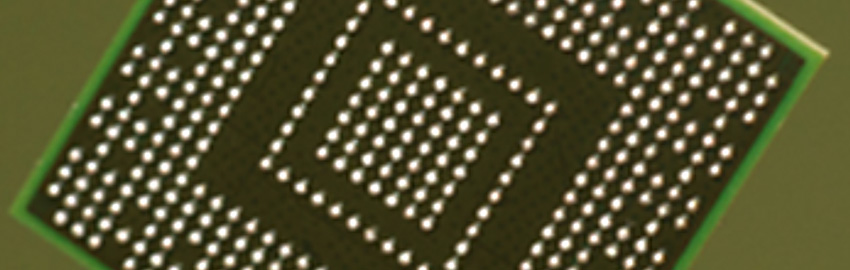
UHDI Capability Charts
The difference between process capability and design intent. READ MORE...
-

Flex DfM Guidelines, Part 1
Understanding key flex DfM guidelines. READ MORE...
-
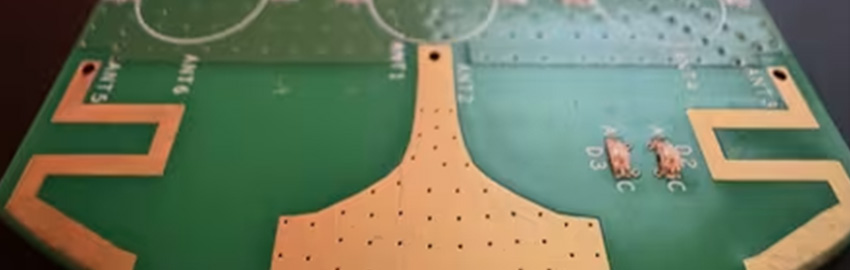
RF PCB Layout
Analog PCB design demands careful attention. READ MORE...
-

Flexpert Bending with Attached Structure
Dynamic flex applications require careful consideration. READ MORE...
-
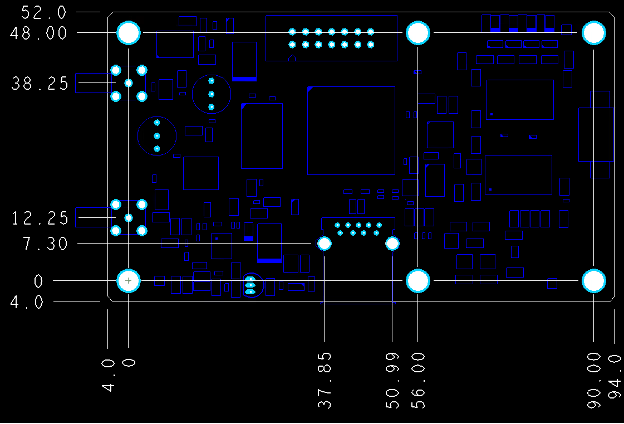
Tolerances and Dimensions for PCB Fabrication
The tolerances decide what actually ships. READ MORE...
Homepage Slideshow
The Charge of the Bucket Brigade
An exploration of the PDN bucket brigade concept.
UHDI Capability Charts
The difference between process capability and design intent.
Flex DfM Guidelines, Part 1
Understanding key flex DfM guidelines.
https://pcdandf.com/pcdesign/index.php/editorial/menu-features/19406-flex-dfm-guidelines-part-1
RF PCB Layout
Analog PCB design demands careful attention.
Flexpert Bending with Attached Structure
Dynamic flex applications require careful consideration.
Tolerances and Dimensions for PCB Fabrication
The tolerances decide what actually ships.